The Third Temple and The Month of Cheshvan Scorpio
Oct 06, 2021
The Third Temple and Cheshvan
By Rabbi Amichai Cohen
The month of Cheshvan is also called Mar-Cheshvan, meaning bitter, because it is the only month of the year which has no Holidays. It is the time of year where it becomes cold and it gets dark earlier.
Historically, the month of Cheshvan is when many negative decrees and edicts were decreed against the Jewish people.
Most significantly, it is the month that the Jewish people rebelled against the Kingdom of King David and when Yerovam established his month of Holidays to worship idolatry.
The Midrash says that the Mishkan which Moshe built was completed on Kislev and consecrated on Nissan. The First Temple which was built by King Solomon was completed on Cheshvan and consecrated on Tishrei. The Third Temple will be consecrated on the month of Cheshvan.
The tribes associated with the Month of Tishrei is Ephraim, Kislev- Binyamin, Cheshvan- Menashe. All three are the children of Rachel, who is called ״עקרת הבית״, literally translated “the main house”, being that she was the favorite wife of Jacob.
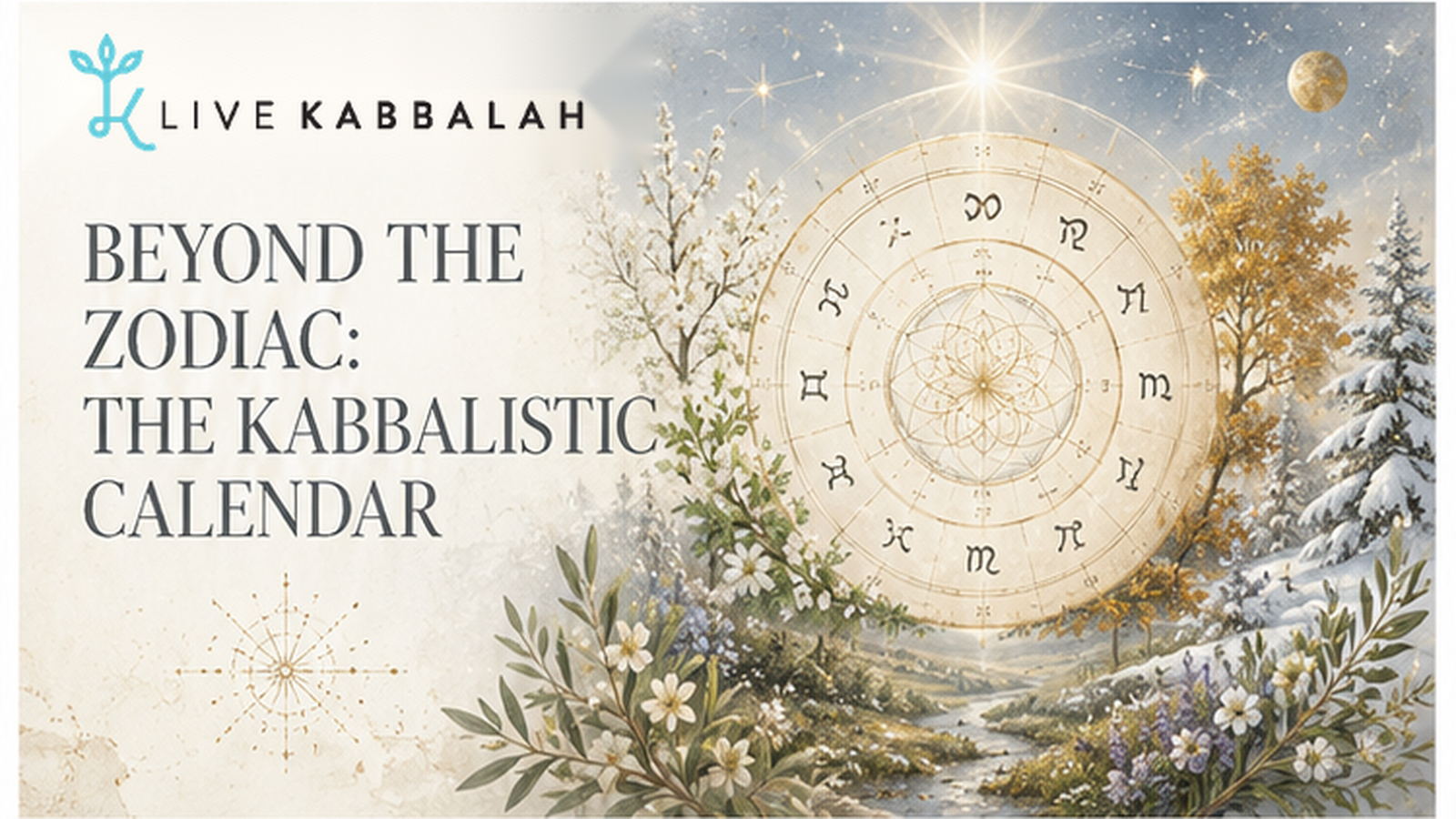
The astrological sign associated with Cheshvan is Scorpio, which translates into Akrav, עקרב in Hebrew. The name Akrav alludes to עיקר-בית, the main house, the Third Temple which will be built during this month.
The three Temples are associated with the Patriarchs. The first Temple was in the merit of Abraham- Chessed, the Second Temple was in the merit of Isaac- Gevurah, and the Third Temple will be in the merit of Jacob, who is called Emet. Therefore, the Third Temple will stand forever.
Cheshvan is also called חודש בול, the month of Bul. This refers to the “Truth of Jacob” and eternality of the Third Temple because the Bet refers to Bereshith, the first letter of the Torah. The Vav is the middle of the Torah (Gachon), and the Lamed is the last letter of the Torah Yisrael.
The Talmud tells us that as a result of the sin of Adam, all senses became blemished except for the sense of smell. This is the reason we have the custom to smell besamim- fragrant spices at the end of the Shabbat.
When Noah came out of the arc he gave a sacrifice to G-D, it says that “G-D smelled the pleasant smell”. The Temple is also the place where sacrifices were brought and were G-D’s “pleasant smell”. G-D is also called the “master of smell” or nose.
Purity is also associated with smell. The Sages of the Talmud would complement one who has purity as
having a good smell. Therefore, it is associated with spirituality and the soul of man.
The letters Adam, are an acronym for Adam, David, and Moshiach. Isaiah says about Moshiach that he will not judge according to his sight or hearing, rather he will judge with his sense of smell.
The letters Menashe מנשה also spell Neshama (נשמה-soul).
It is interesting the half the tribe of Menashe lived within the borders of the land of Israel and the other half lived in the Trans-Jordan with the other 2 tribes of Reuben and Gad. They did not volunteer to live in the Trans-Jordon, Moses volunteered them. On a basic level, they were uniting the Jewish people who were living in these 2 regions.
The land of Israel, called the land of the 7 nations, represents the 6 negative emotional klipot. The area of the Trans Jordan is the area of the Keni, Knizi, and Kadmoni, which represent the 3 intellectuals levels of the klippa, which will only be conquered with the coming of Moshiach.
Joseph, Menashe’s father, also rode down to Egypt on a caravan of perfume merchants.
Menashe, the eldest son of Joseph, seemed like he was slighted by his father when he used his right hand to bless his younger brother Ephraim. The truth is the Jacob was giving the blessing based on time and the order of the Temples.
The letter נ Nun is the only letter not found in the prayer of Ashrei. The reason is that Nun stands for . Nofel, to fall, referring to the spiritual descent of the Jewish people נופל
The letter associated with the month of Kislev is ס Samech. When the letter Nun is coupled with the letter Samech we have the word נס Nes-Miracle.
The veins in one's body unite the body’s organs, systems, and cells. This month will fix the divide on the Kingdom of David, unite the Jewish people in the Temple where miraculously there was room for everyone, and unite Jerusalem and the land of Israel.
But Mar Cheshvan holds another meaning too. In Isaiah, "kemar midli" means a drop falling from a bucket. Cheshvan is the month when the rains begin. In the Land of Israel we start asking for rain on the seventh of Cheshvan. So the same word that means bitter also means a drop of water. The question is which one we choose to live.
What is a drop? It is something small that falls into the earth and disappears. You do not see it working. But that is exactly how the seed opens. Tishrei was the month of big revelation. Cheshvan is the month of absorption. The light that came down from above now has to soak into the ground of our actual lives.
On the night after Simchat Torah there is a custom to say "veYaakov halach ledarko," and Jacob went on his way. The Chassidic masters explain that this is the real work. Not the moment of inspiration, but what you do on the ordinary Tuesday after it. Did the teshuvah of Yom Kippur change how you speak to your children? Did the joy of Simchat Torah enter the way you work? Cheshvan asks these questions quietly.
This is also why smell is the sense of this month. It is the most subtle of the senses. You cannot hold a scent or see it. You simply know it is there. In a month without outer markers, we learn to sense G-d without being told where to look. No shofar is blowing. No sukkah is standing. You have to smell the holiness inside an ordinary day. That is a higher level of awareness, not a lower one.
So the emptiness of Cheshvan is not a punishment. It is a space being held open. The month that seems to have nothing is holding the deepest potential of all.
How do we work with this practically? Start by not panicking when the high fades. A dip in energy after Tishrei is natural. It is the light moving from the head into the body. Then choose one thing from the holidays that you want to keep. One prayer, one commitment, one change in how you show up. Not ten. One. Let it be your drop of water this month, falling daily into the soil.
And pay attention to the subtle. Before you start your day, take a breath and ask, where is G-d hiding in this ordinary moment? You will not always see. But if you get quiet enough, you will begin to sense it.
Cheshvan is the month where spirituality stops being an event and becomes a way of living. May this be the month where the light of Tishrei truly takes root in us, and may we merit to see the Third Temple dedicated in Cheshvan, speedily in our days.
Many blessings,
Rabbi Amichai Cohen