Zohar: The Mystery of Smell & The Ketoret- Incense
Mar 10, 2026
In today’s Daily Zohar, we explore the spiritual power of sacrifice, the mystery of smell, and the deeper meaning of the two nostrils.
The Zohar teaches that the sacrifices are called by G-d “reach nichoach” — a pleasing, fragrant aroma. This fragrance is connected to the side of Chesed, loving-kindness, the right side of the Sefirotic tree. It represents a sweetness, a gentle drawing down of Divine energy into our lives.
But there is another dimension as well.
There is also smoke — a heavier, more intense form of elevation. Smoke does not enter us in the same way fragrance does. It surrounds us. It can feel overbearing, dense, even severe. The Zohar connects this to the side of Gevurah, judgment and discipline, the left side.
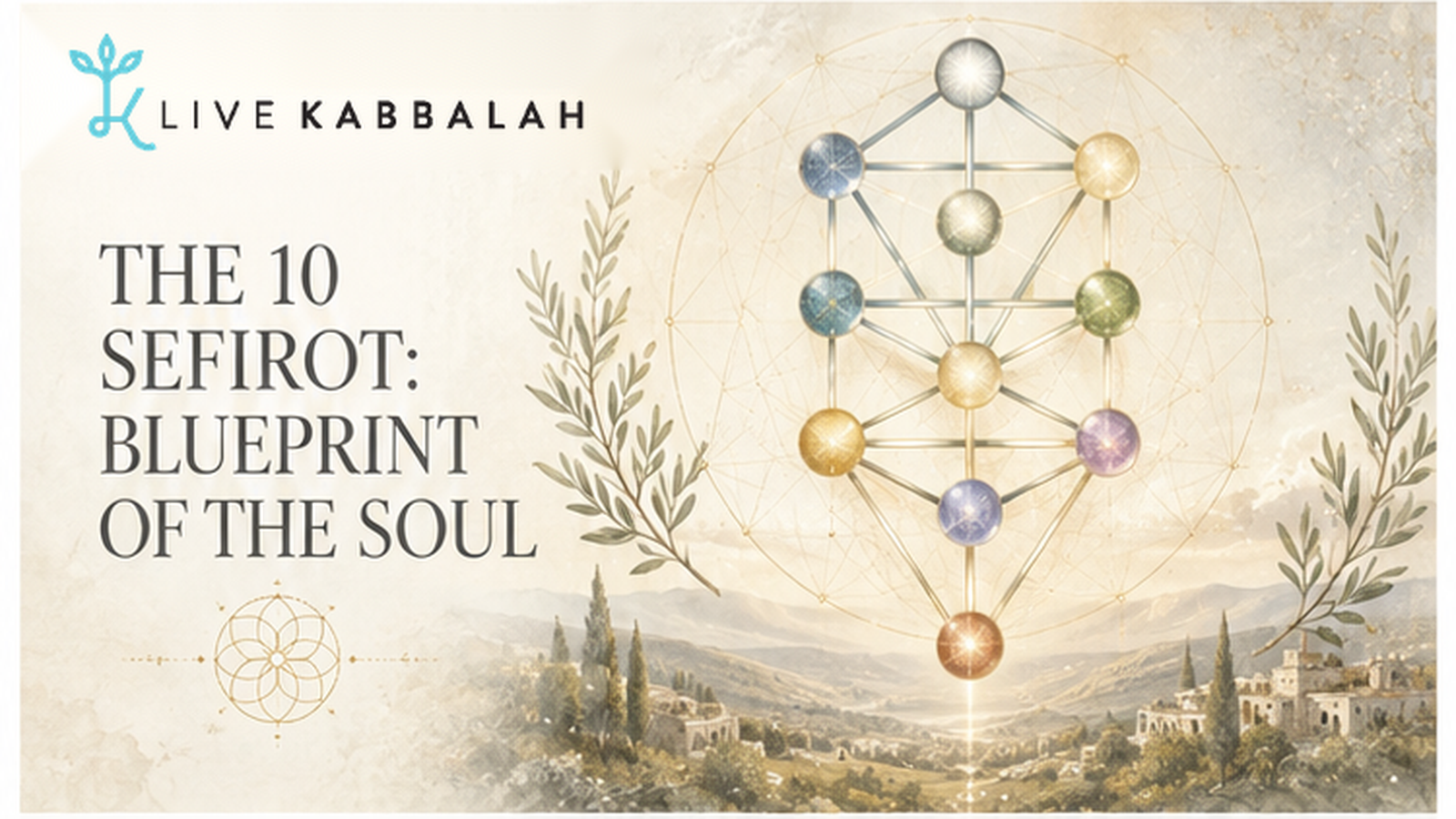
This is why the Zohar speaks about the two “windows” of the nose — the two nostrils. The right nostril is associated with Chesed, with wisdom, with the flow of Divine clarity. The left nostril is associated with Gevurah, with discernment, with understanding and inner intensity. The right side draws energy downward in a more expansive and harmonious way, while the left side uplifts energy from below to above.
This same polarity exists throughout creation and within ourselves.
The right side is connected to Chochmah, wisdom.
The left side is connected to Binah, understanding.
The right arm and the left arm.
The right and left dimensions of the mind.
And between them, the middle column, the place of balance, integration, and harmony.
The Zohar is showing us that even in something as simple and intimate as breathing, there is a spiritual map. Through the right side, there can be an opening to kindness, expansiveness, and even mental clarity. Through the left side, there is access to intensity, discernment, and intuition.
On the archetypal level, this is reflected in the Temple itself. The Kohanim are connected more to the right side — to Chesed and Chochmah. The Levites are connected more to the left side — to Gevurah and Binah. Even the smoke rising from fire in the Temple reflects this left-sided movement: an ascent from below upward. And this is not inherently negative. Smoke is not bad. It is simply a different mode of spiritual energy — one of intensity, elevation, and transformation.
This brings us to the Ketoret, the incense.
The Zohar teaches that the Ketoret had the power to ward off negativity because it joined together these two dimensions: fragrance and smoke, sweetness and severity, descent and ascent. It entered the nose and became an offering of union.
The very word Ketoret is connected to the idea of kesharim — binding, tying together. It is the binding of opposites.
And perhaps that is one of the deepest teachings here.
Within us there is sweetness and intensity. There is softness and restraint. There is the fragrance of love and the smoke of struggle. There are moments when life feels expansive and moments when it feels heavy. The spiritual work is not to reject one side in favor of the other, but to bring both into Divine service.
When the fragrance and the smoke come together, when Chesed and Gevurah are bound together and elevated, they become Ketoret. They become an offering.
Rabbi Shimon teaches that saying the passage of the Ketoret after prayer has the power to remove negativity and draw blessing into the home. Why? Because the Ketoret represents the harmonization of forces. It transforms fragmentation into wholeness. It sweetens judgment and binds the opposites into one.
The deeper takeaway from this Zohar is the power of breath, the power of integration, and the power of offering all of who we are to the Creator.